
Home / Products / Accessories / Window trickle vents
Window trickle vents

Regel-air® FFL

Press Vent

SM 1000

airvent SM HY

EMM HIGRO®
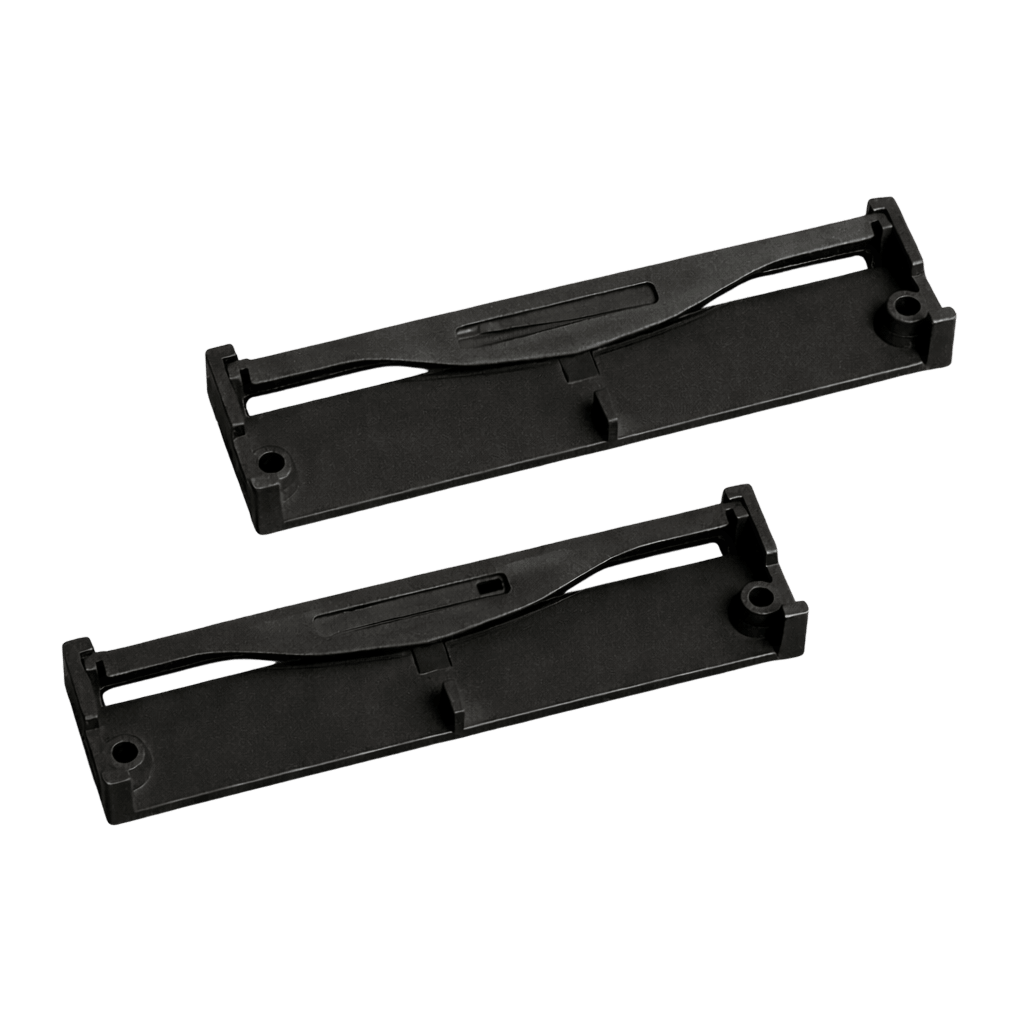

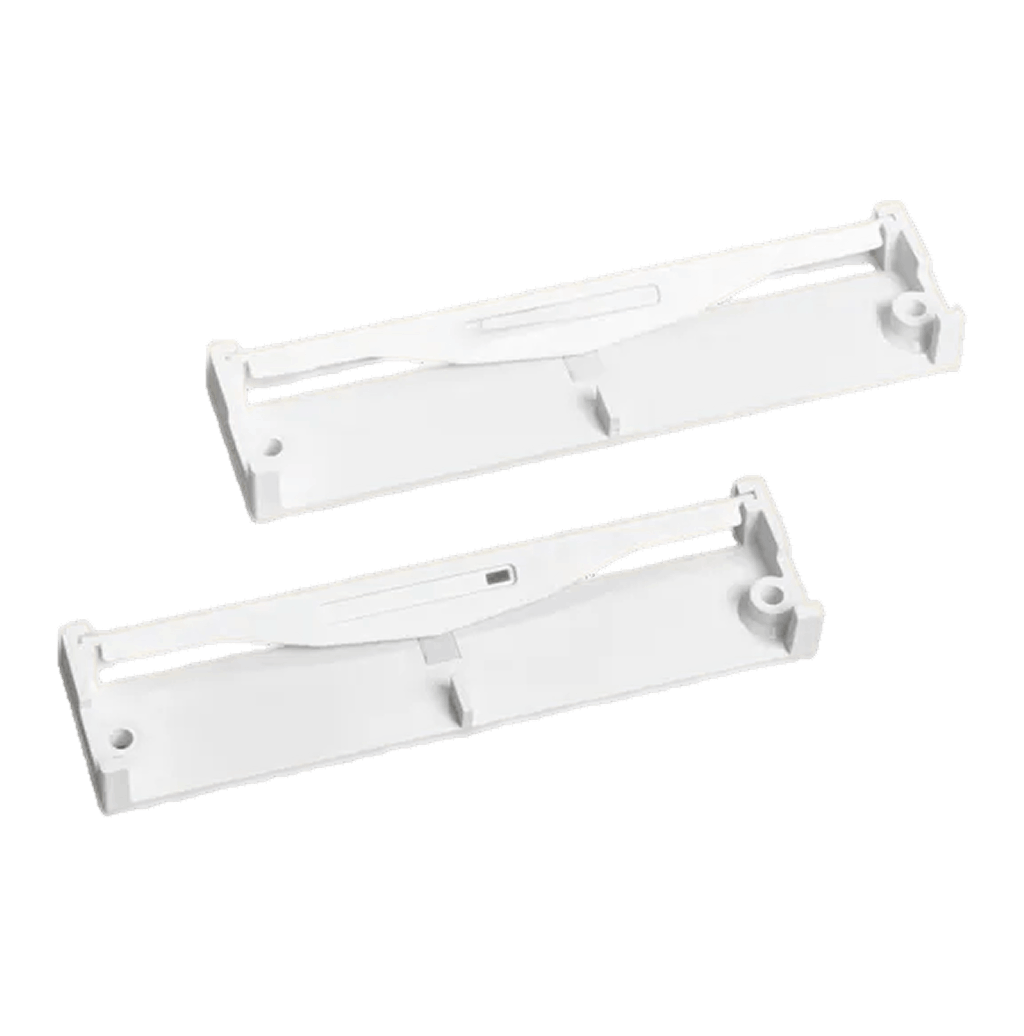
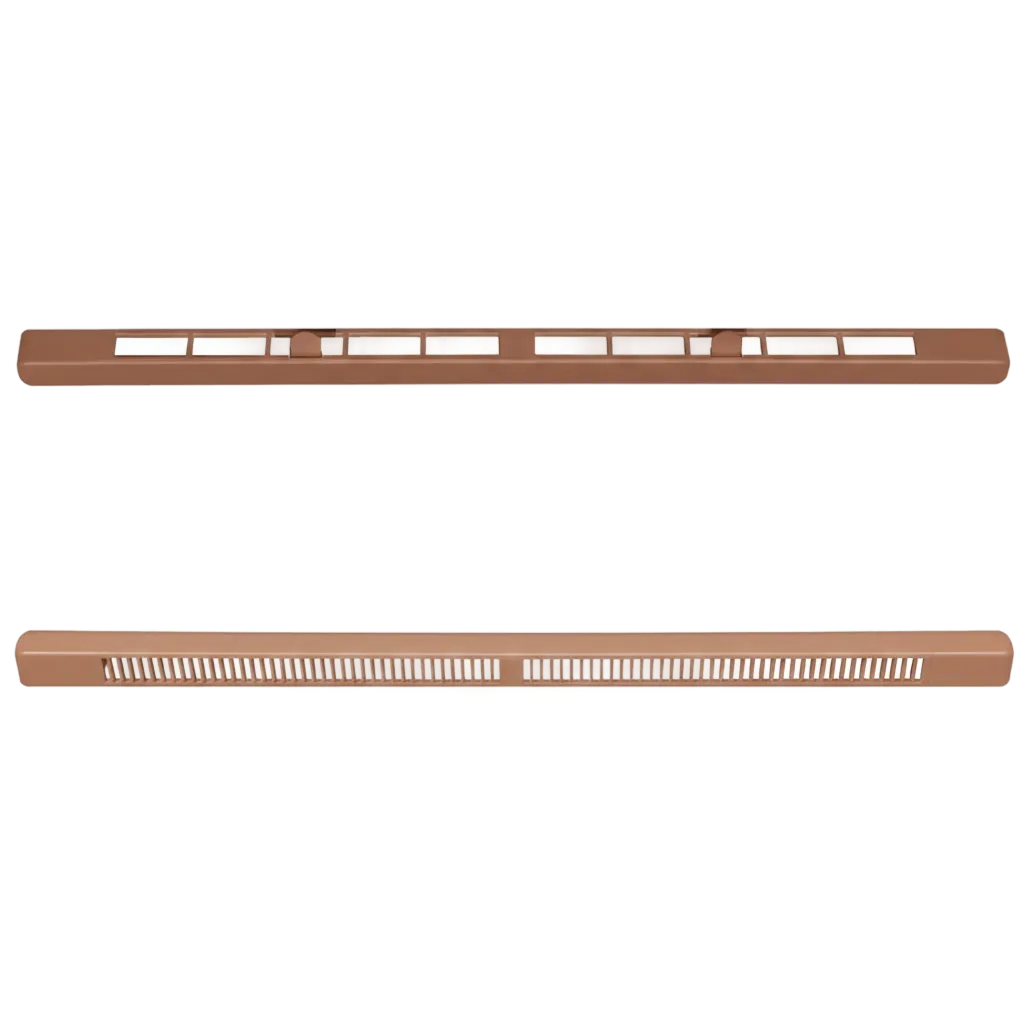
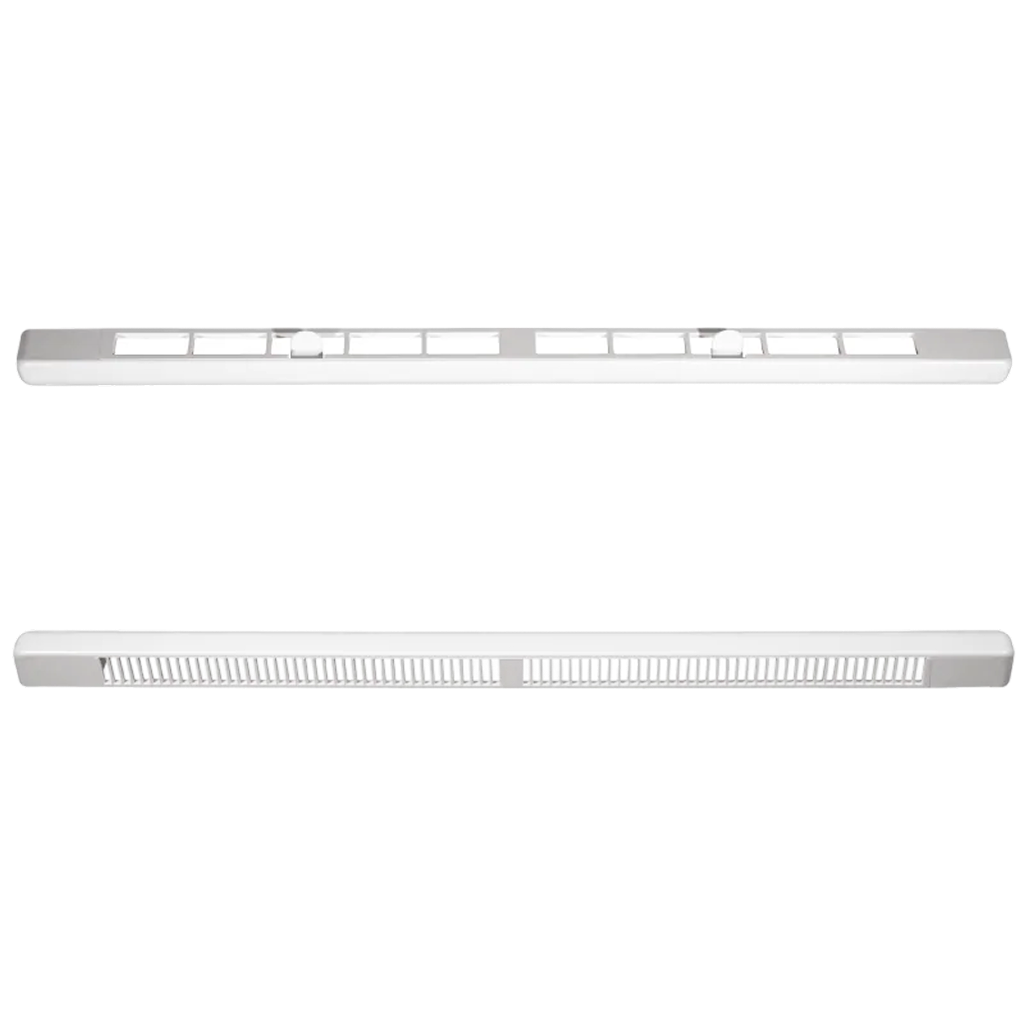
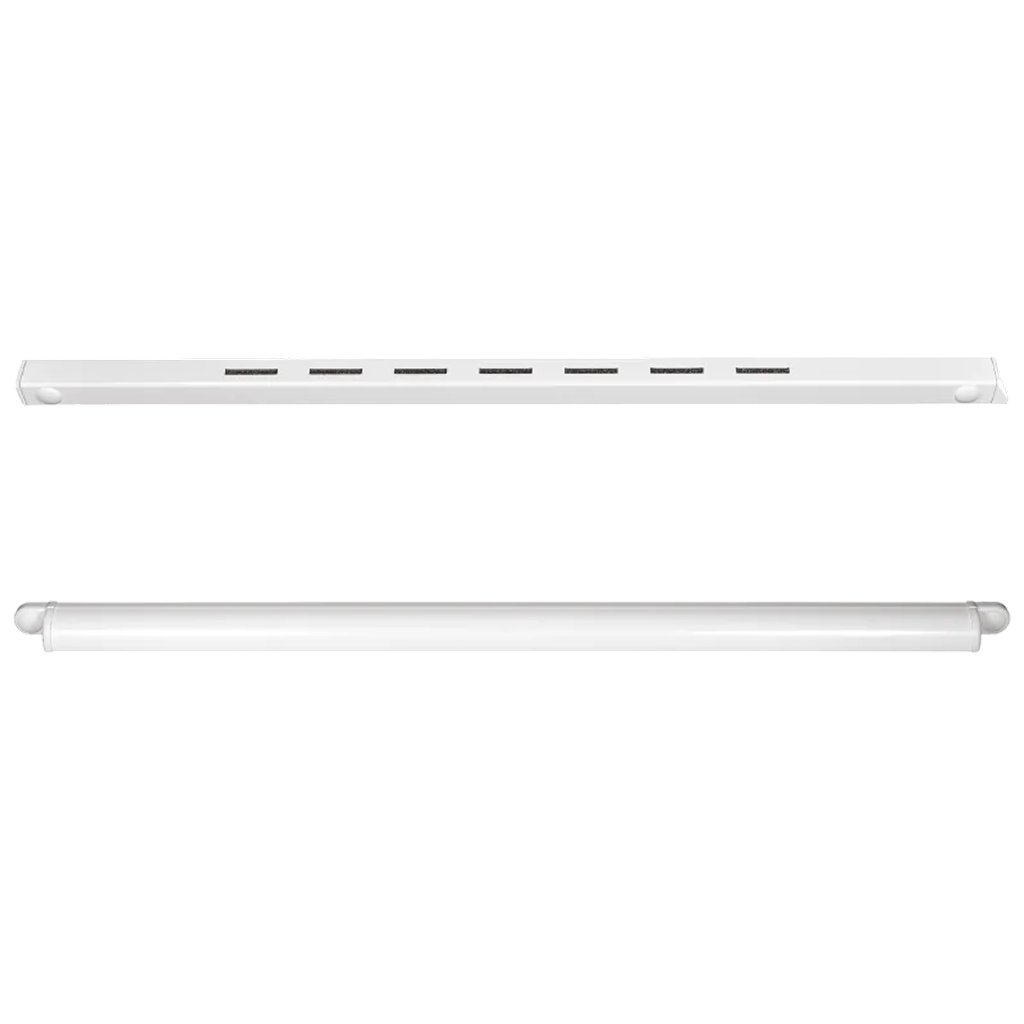
A self-regulating window vent designed for installation in pairs in windows. Installed discreetly in the upper part of the sash, it remains invisible when the window is closed.
Ventilation flaps automatically limit airflow in strong winds, preventing drafts, and reopen when pressure drops, ensuring constant, controlled ventilation.
Black
 White
White
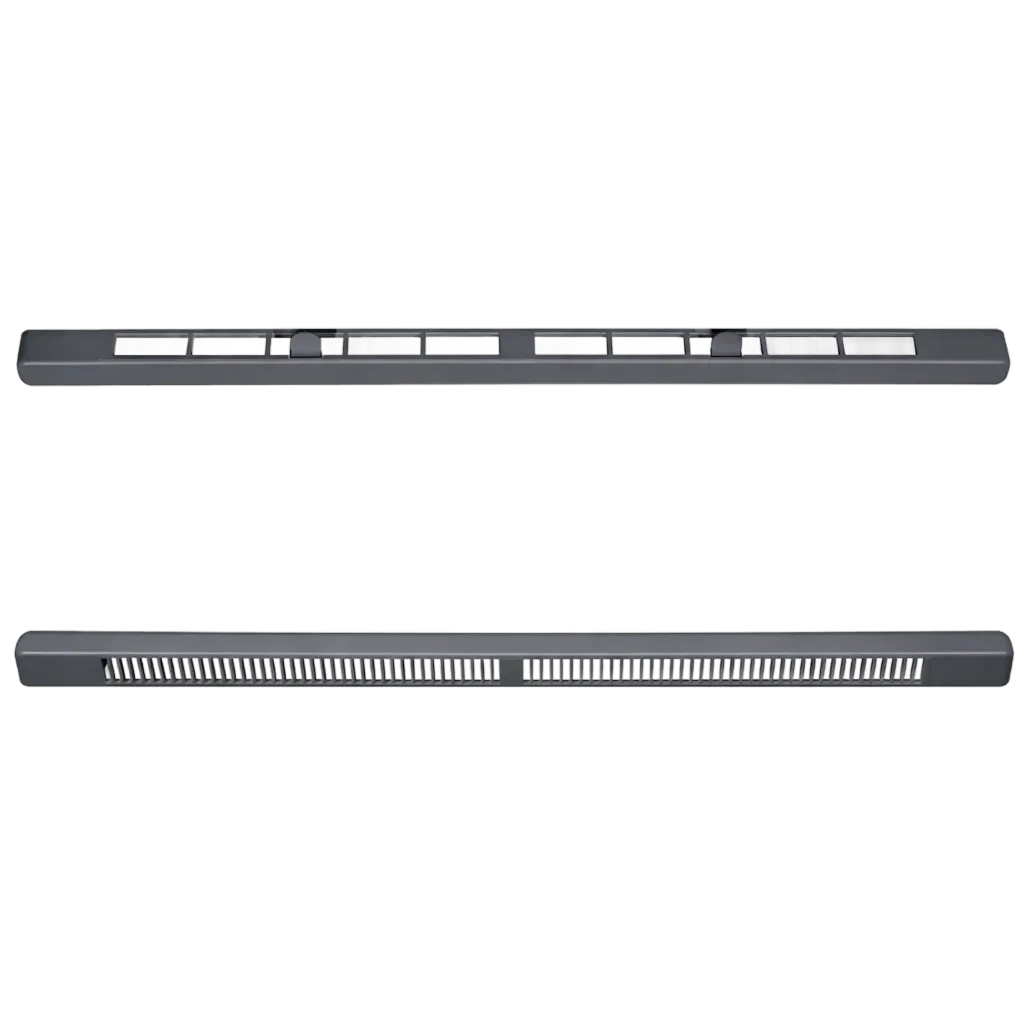
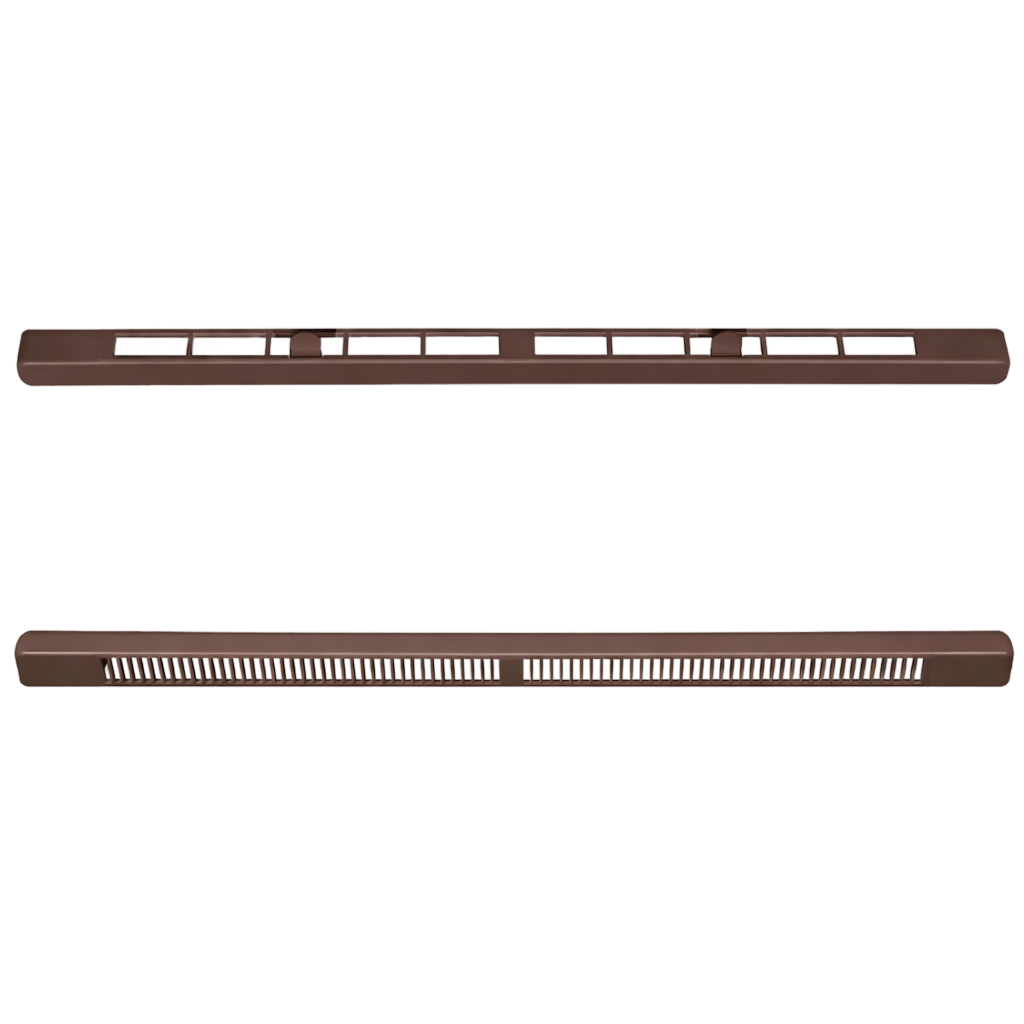

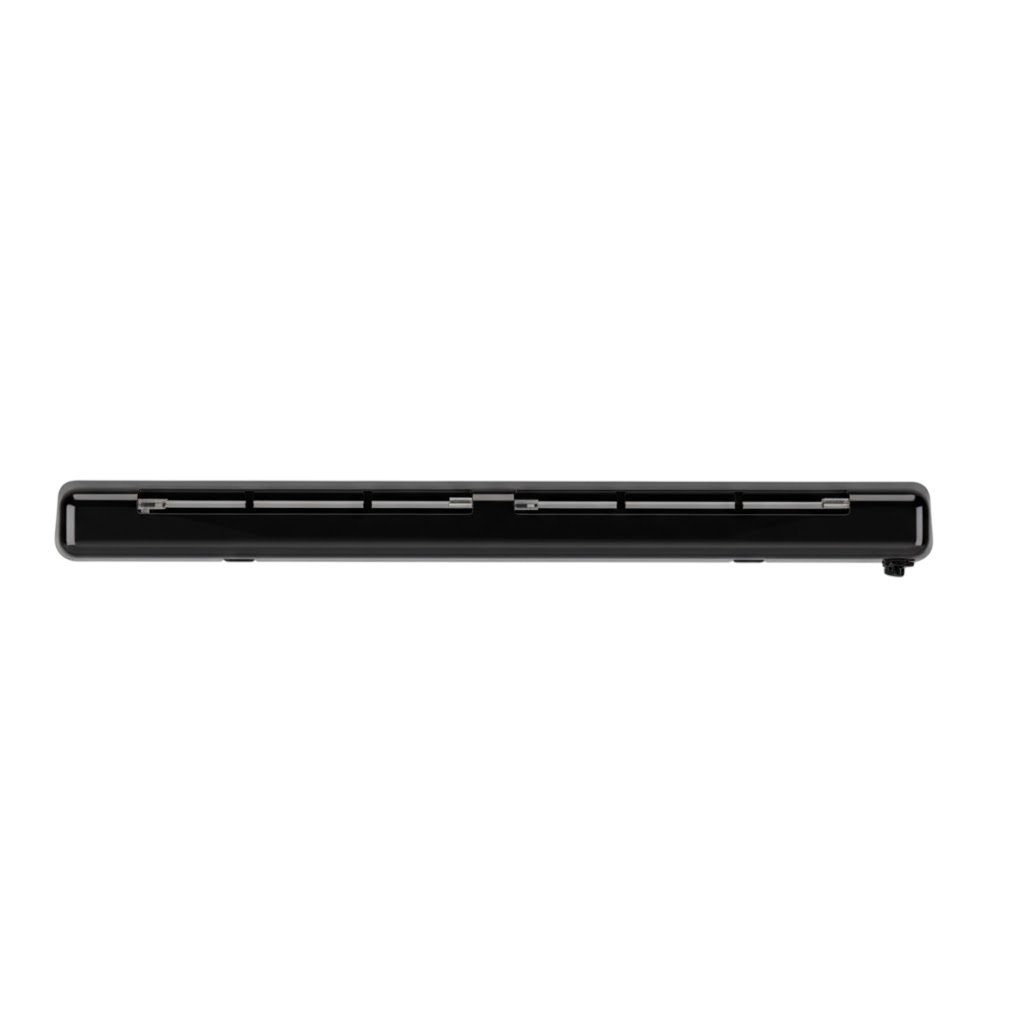

The SM HY window vent is an intelligent solution that automatically adjusts the amount of incoming air to the humidity level in the room, ensuring a healthy indoor microclimate. Additionally, it allows manual closing of the airflow, giving full control over user comfort.
Black
 Anthracite
 Brown
Brown
 Caramel
 White
White

Operating principles of window trickle vents
Window trickle vents are elements installed in the window structure, whose task is to provide a controlled supply of fresh air into the building interior without the need to open the sash. Their operation is based on automatic or regulated air exchange using pressure differences or changes in the humidity level in the room. This allows more stable conditions to be maintained inside the building and supports the operation of ventilation.
Trickle vents enable a constant air supply while maintaining window airtightness, which is particularly important in modern construction. Controlled air exchange helps reduce moisture accumulation, lowers the risk of condensation on glass panes and supports maintaining an appropriate microclimate in rooms. For this reason, trickle vents often complement airtight window joinery and ventilation systems.

Types of trickle vents and the effectiveness of natural ventilation
The selection of a trickle vent should be adapted to the type of ventilation in the building, the airtightness level of windows and the way rooms are used. A properly selected solution supports a constant supply of fresh air and helps maintain the correct operation of natural ventilation without the need for frequent window opening. The All Windows Group offer includes trickle vents that differ in the method of airflow regulation, level of control and installation method.
Airflow automation: Pressure-controlled and humidity-controlled vents
Modern ventilation systems aim to minimize user intervention in the airing process.
Humidity-controlled trickle vents
Humidity-controlled trickle vents automatically adjust the amount of supplied air to the current humidity level in the room. The airvent SM HY and EMM HIGRO® models use a mechanism based on a sensor made of a polyamide strip, which reacts to changes in relative humidity. When the humidity level increases, for example during cooking or bathing, the trickle vent increases the airflow, and after conditions stabilise, it reduces the amount of air supplied. The airvent SM HY model additionally allows manual closing of the airflow.
Pressure-controlled trickle vents
Pressure-controlled trickle vents regulate airflow based on the pressure difference between the inside of the building and the outside environment. The SM Press Vent model automatically limits excessively intensive air inflow, helping to reduce draughts and excessive ventilation of rooms. The solution also enables manual adjustment and selection of the air supply direction – upper or lower – which allows the operation of the trickle vent to be better adapted to usage conditions.
Trickle vents with acoustic attenuation
In buildings located near busy streets, not only ventilation but also protection against noise is important. The EMM HIGRO® model is available in a version with increased acoustic attenuation. When the trickle vent is closed, the noise reduction level can reach up to 40 dB, allowing acoustic comfort to be maintained without giving up the supply of fresh air.
Discrete and manual solutions
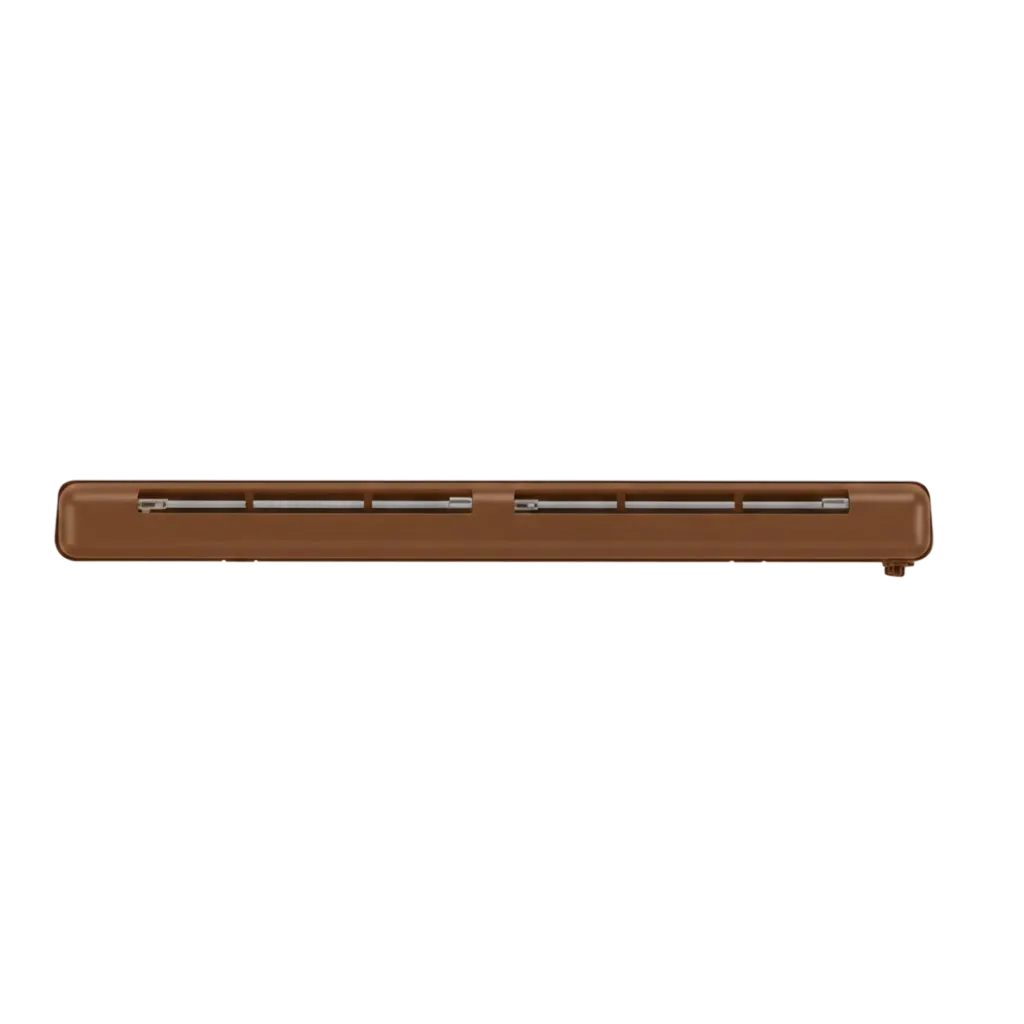
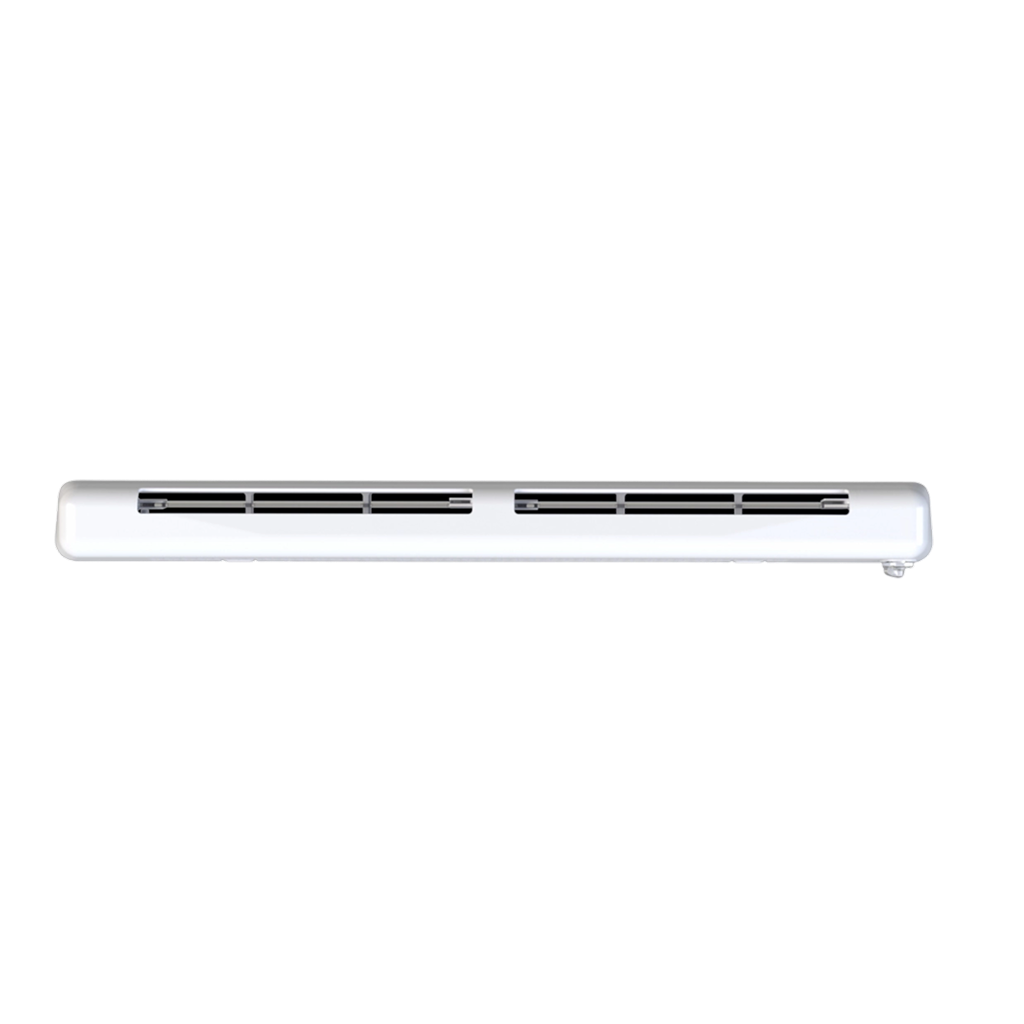
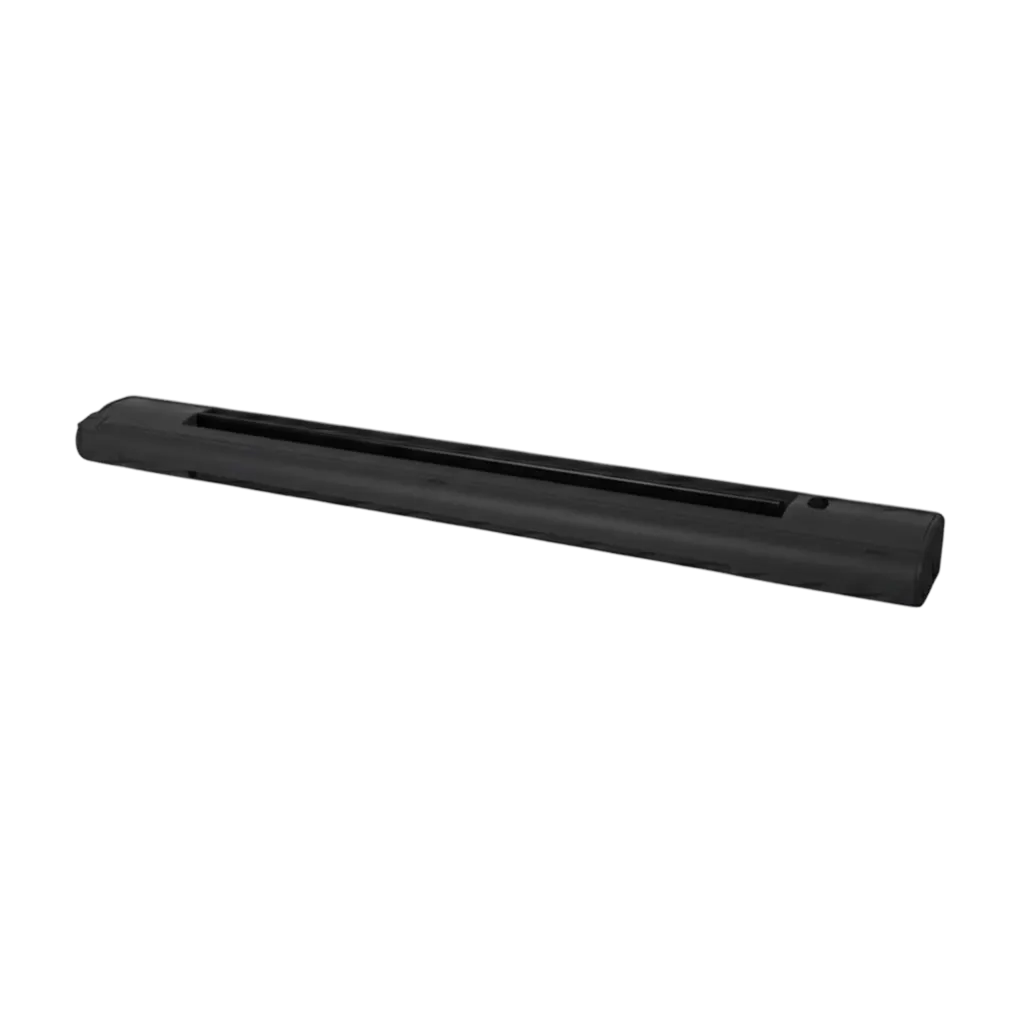
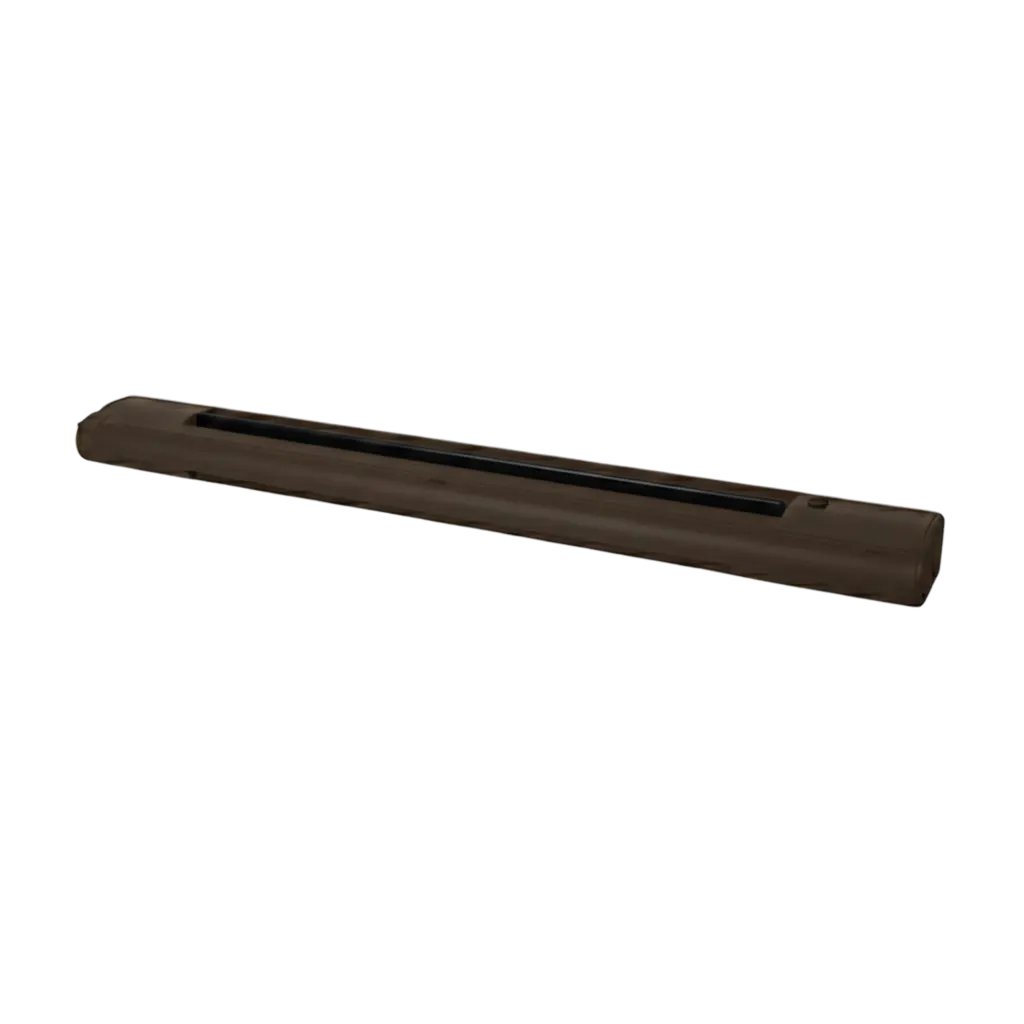
For people who value impeccable visual solutions, we have prepared systems that have almost no impact on the appearance of the frame. This is also possible thanks to a wide colour range (RAL, anthracite, black, caramel), which allows the trickle vent casing to be perfectly matched to the colour of the profile and maintain a consistent appearance of the entire window joinery.
Rebate-mounted trickle vents
Rebate-mounted trickle vents Regel-air® FFL are installed in the upper part of the sash and remain invisible when the window is closed. The system operates automatically and uses pressure differences to regulate airflow. The ventilation elements limit the air inflow during strong winds and increase it again after external conditions stabilise. The solution allows the aesthetics of the window joinery to be maintained without the need to use visible elements on the window profile.
Manual trickle vents
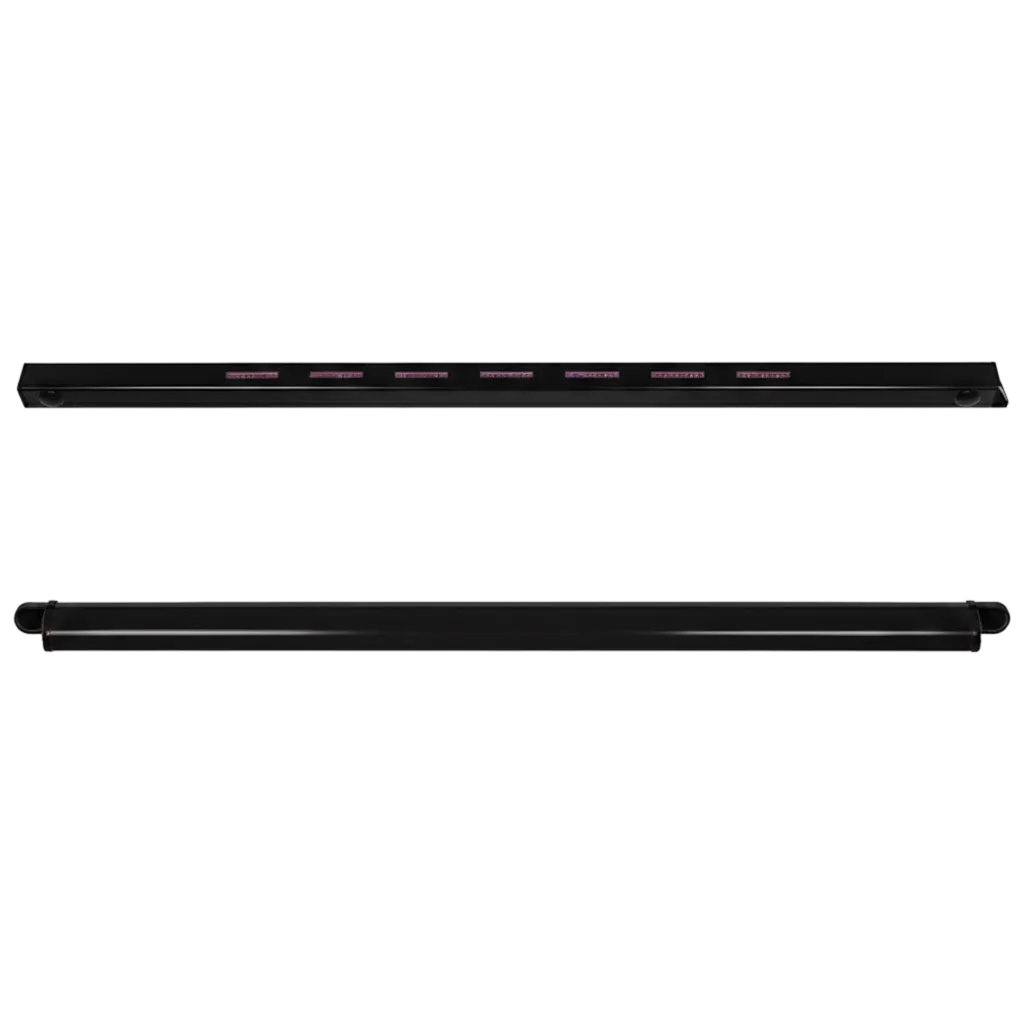
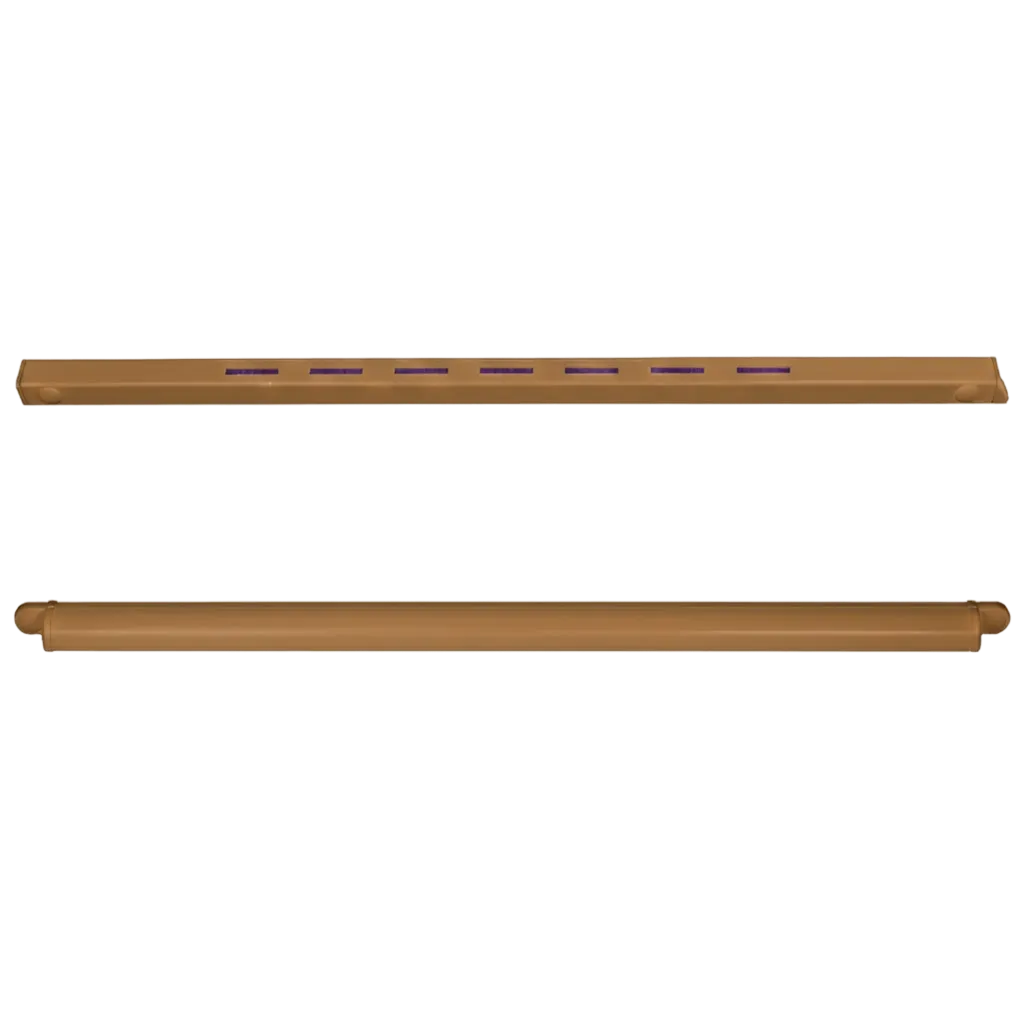
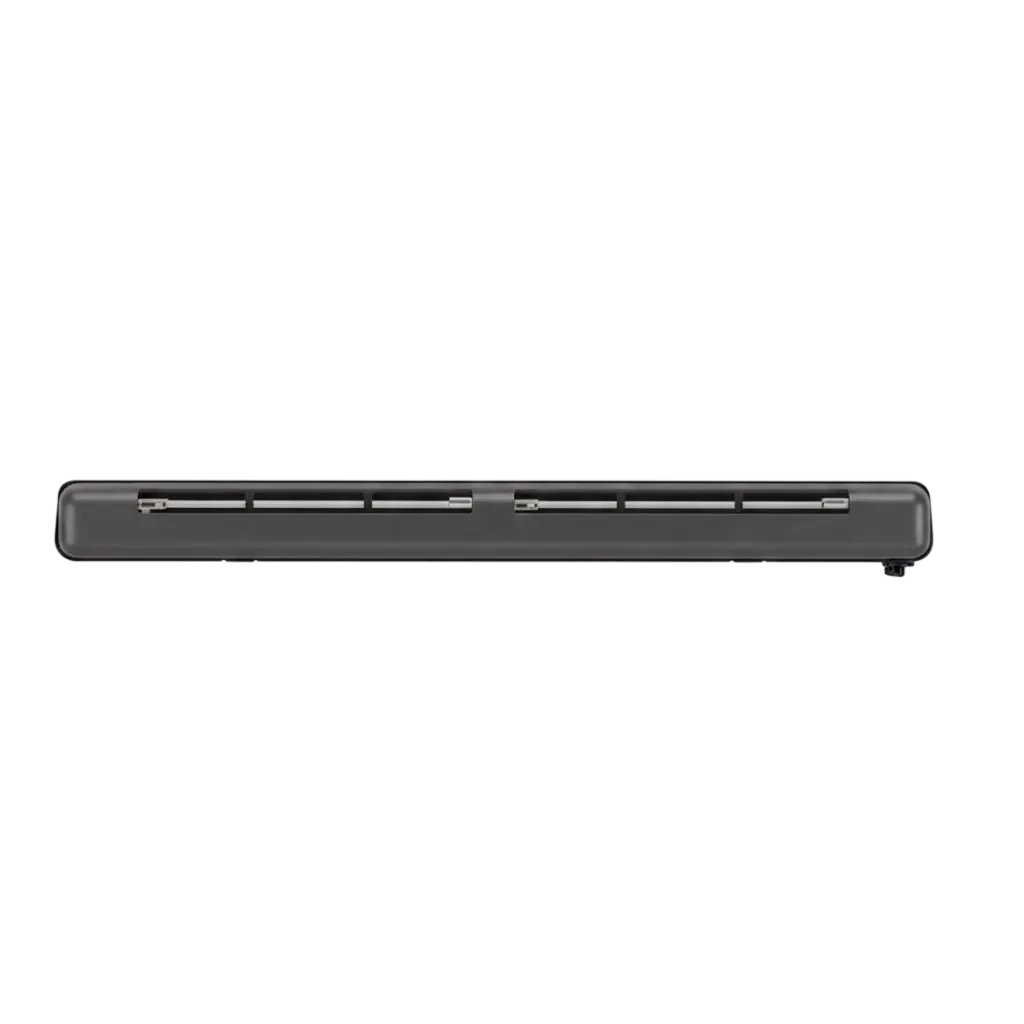
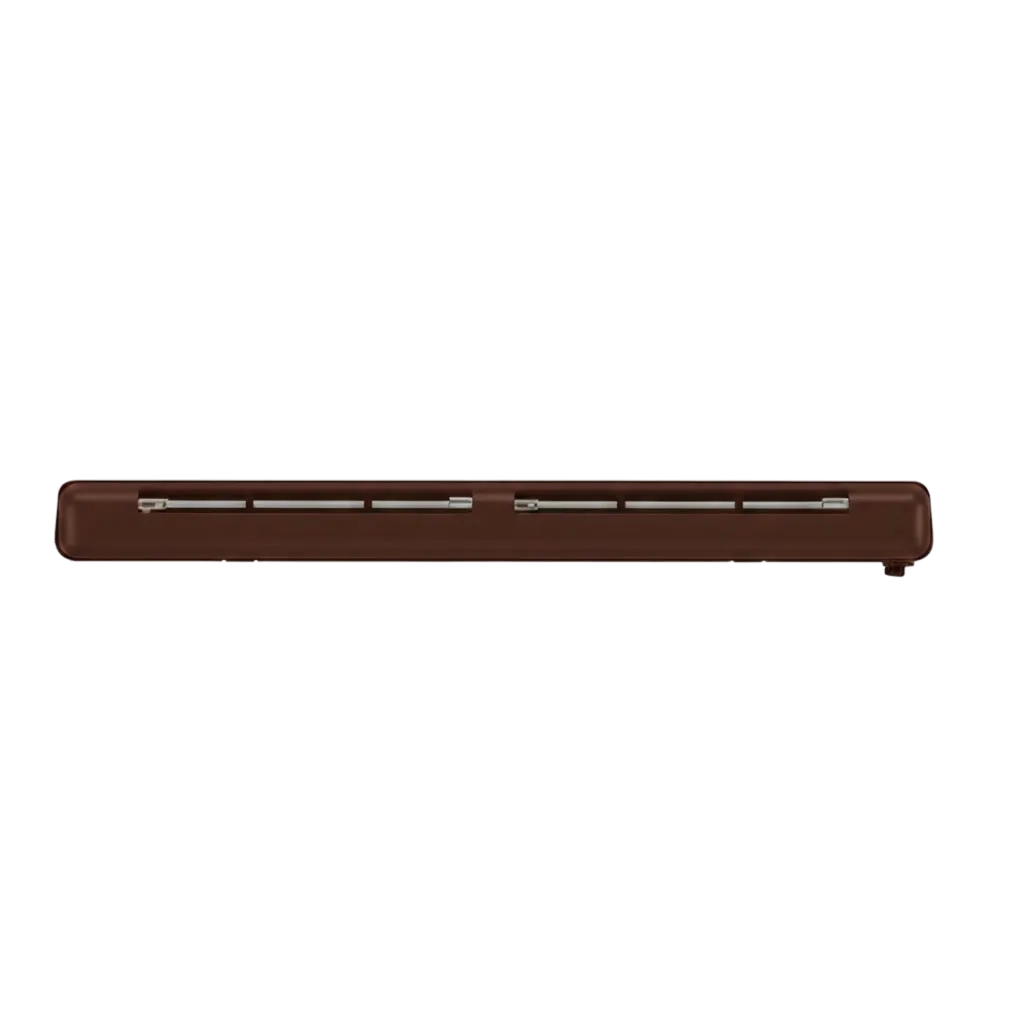
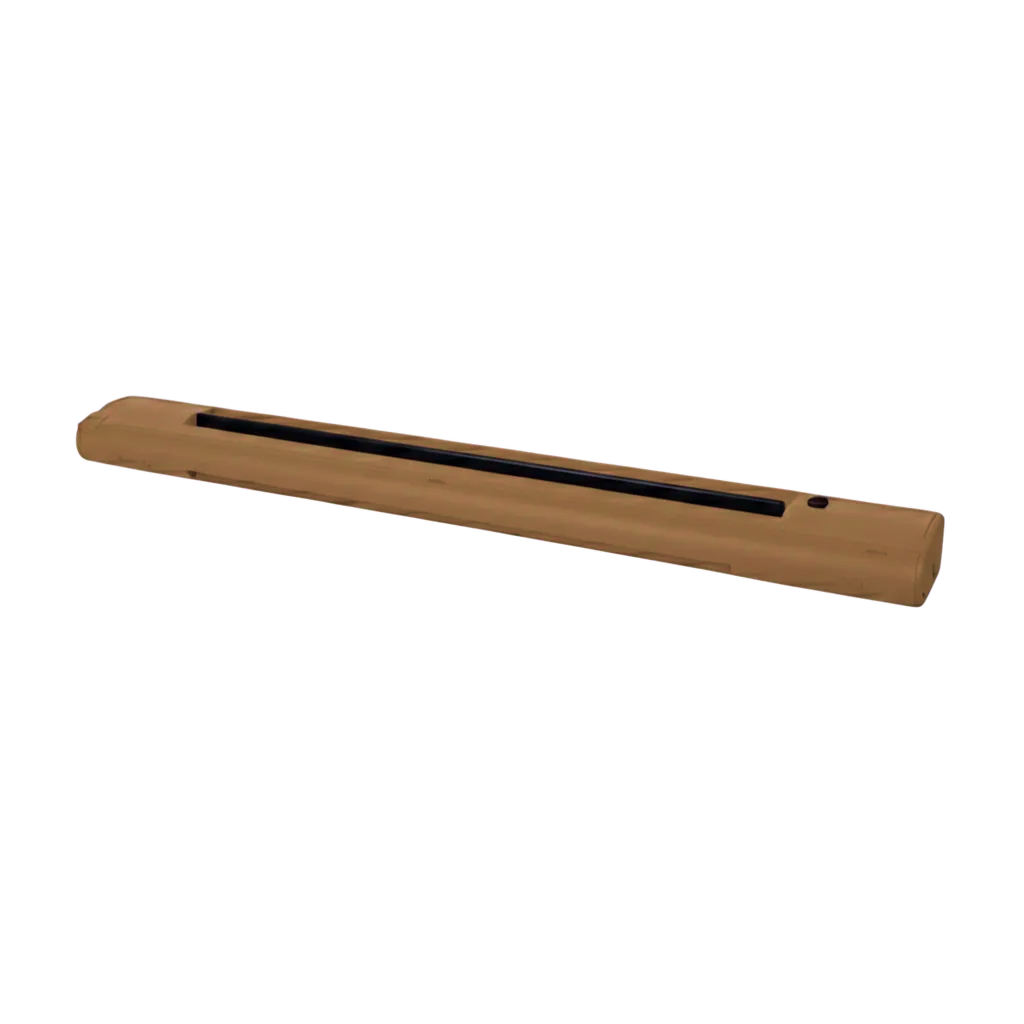
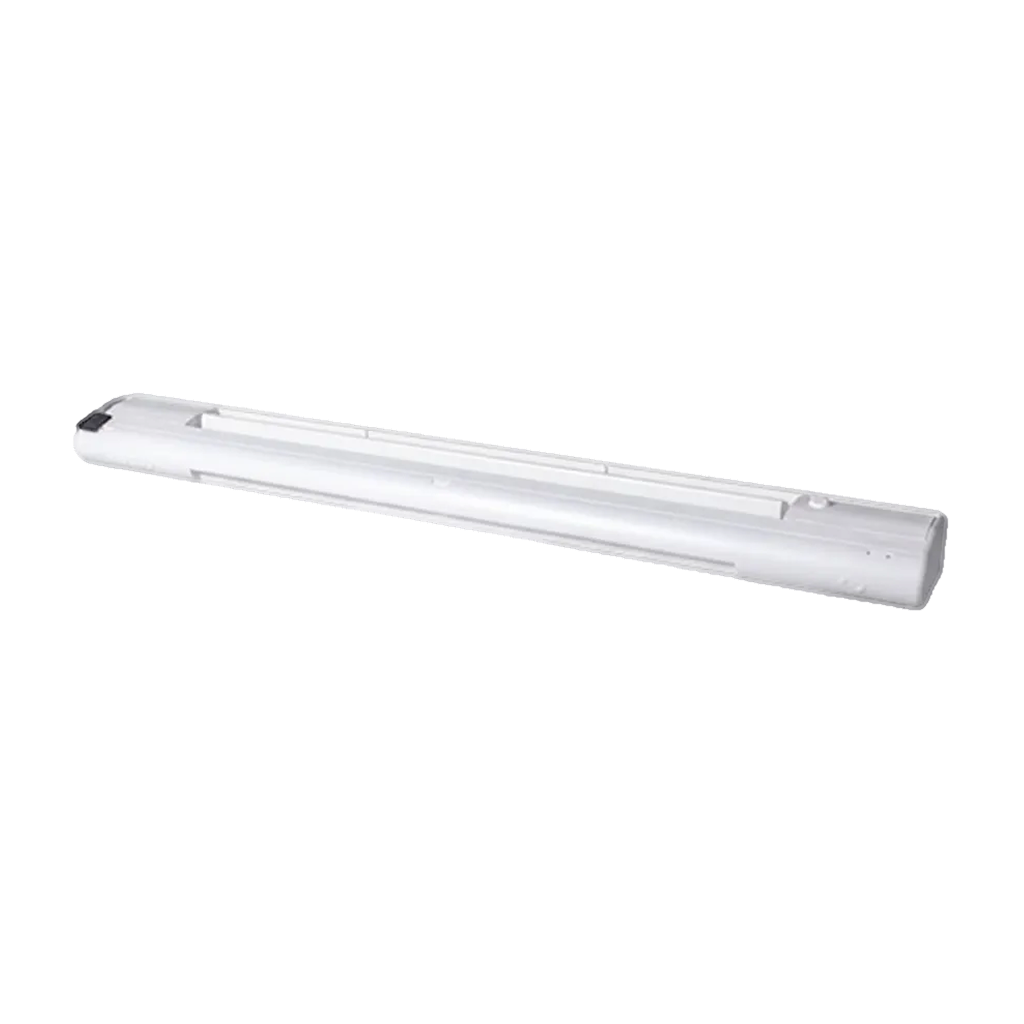
Manual trickle vents, such as SM 1000, allow the user to independently adjust the opening level. The model is made of aluminium and enables manual opening and closing of the air supply. The solution is used wherever the user wants to maintain full control over the amount of supplied air. Available colour variants, including white, black, brown, caramel and anthracite, make it easier to match the trickle vent to the appearance of the window.
FAQ – frequently asked questions about window trickle vents
In modern windows with high airtightness, the natural supply of air is significantly limited. Trickle vents help ensure controlled air exchange and support the proper operation of ventilation, especially in buildings with natural ventilation.
A trickle vent is responsible for a controlled supply of fresh air, not for constantly cooling down the room. A properly selected solution limits uncontrolled ventilation and supports maintaining stable indoor conditions.
The selection of a trickle vent should take into account the way ventilation works and the conditions in the rooms. Humidity-controlled trickle vents, such as airvent SM HY or EMM HIGRO®, automatically regulate the amount of supplied air depending on the humidity level, which makes them suitable for rooms with changing usage conditions. Pressure-controlled trickle vents, such as Press Vent, adjust airflow according to the pressure difference between the interior and the outside environment, limiting excessive air supply during stronger wind gusts. Manual trickle vents, e.g. SM 1000, allow manual adjustment of the opening level and enable the user to control the intensity of the air supply themselves.
Excessive humidity is one of the most common causes of condensation on glass panes. A controlled supply of fresh air supports air exchange in rooms and may limit moisture accumulation.
Solutions equipped with elements improving acoustic insulation are available. This allows fresh air supply to be maintained while reducing the penetration of external noise.
Properly selected and installed trickle vents should not cause noticeable draughts. Their purpose is to provide a controlled supply of fresh air in an amount adapted to indoor conditions and the way ventilation operates. In the case of automatic trickle vents, airflow can additionally be regulated depending on humidity or pressure differences, which helps limit excessive air inflow and improves the comfort of using rooms.
The possibility of installation depends on the type of window and the selected ventilation system. Some solutions can also be used in already installed window joinery, however, the installation method should be adapted to the window construction and technical conditions of the building. In the All Windows Group offer, the solution intended also for installation in existing windows is the Regel-air® FFL rebate-mounted trickle vent, which is discreetly installed in the upper part of the window and does not affect its appearance when closed.